

Expedition cruising is a world away from what you would normally associate with a cruise. It’s about reaching parts of the world that most travellers will never see (and most commonly, an expedition cruise is the only way to get there), using small, purpose-built ships designed for immersing you into the destination rather than the onboard facilities. These voyages focus on remote regions, wildlife, landscapes and culture, where the itineraries are often flexible to maximise the opportunities available.
If you have been watching Jane McDonald’s new programme, which features the Scenic Eclipse, one of the more luxurious options available, expedition ships are generally very small, and typically carry fewer than 300 guests. Of course, you’re not going to be sending a huge mega-ship into the Arctic, as that’s not what they are designed to do. The expedition ships are purpose-made for the environment, and with fewer passengers onboard allow for regular Zodiac landings and a far more immersive experience ashore.
At its core, expedition cruising is led by your curiosity, supported by highly experienced expedition teams who bring destinations to life through science, history and local knowledge, and days are built around hikes, kayaking and wildlife encounters.
What’s different to an Ocean Cruise?
The only similarity between expedition cruising and a conventional ocean cruise is that both take place on water, near enough, everything else is different.
Expedition ships are small, with ice-strengthened hulls so they are able to navigate some of the most harshest of conditions, which also allows you into shallower water and much smaller and narrower fjords. With no ‘port calls’, the itineraries remain flexible, allowing you to maximise wildlife viewing and sometimes to take advantage of better weather.
Each ship and line is different, although they do have similar themes. Onboard, there is usually an observation lounge, and on some of the larger ships, there’s also a science lab or ‘life centre’ where lectures take place. As well as a dining room and social lounge area, similar to what you would find on a larger cruise ship. Getting off the ship is also different, with excursions taken either by Zodiac boat or kayak, depending on how fit you’re feeling.
Expedition doesn’t have to mean basic; there are now a number of more upmarket options where you get many of the luxuries you usually find on a larger cruise ship, just with the benefit of sailing completely somewhere different. I think that’s noticeable if you have been following Jane McDonald’s programme.
Where do you sail on an Expedition Cruise?
Expedition cruising unlocks some of the planet’s most remote regions, some of which are completely inaccessible if travelling by land:
Antarctica
Really seen as the flagship of expeditions, cruises to and around Antarctica have soared over recent years. The highlights for many including it’s iconic towering icebergs, glaciers and a vast array of extraordinary wildlife encounters you’ll see around the Antarctic Peninsula. Slightly further afield, there’s also a draw to travelling to nearby South Georgia and the Falkland Islands where you’ll find Penguin colonies, seals and whales.
The Arctic
During the opposite seasons (our summer), and a little closer to home you’ll get to explore the fabulous Arctic, usually covering Greenland, Svalbard and Arctic Canada. They offer the most dramatic fjords, pack ice and iconic species such as polar bears, walrus and Arctic fox – and give the opportunity to experience the Midnight Sun.
Galapagos Islands
A favourite for wildlife enthusiasts around the world, the Galapagos offers close-range encounters with endemic wildlife both on land and underwater. There are strict regulations which make small ships essential, with guided landings and snorkelling central to every expedition.
Australia’s Kimberley Coast
Expedition cruising comes into its own when accessing remote and often undiscovered corners of the globe. The Kimberley Coast offers all of that: remote, rugged and cultural, that combines dramatic gorges, tidal rivers, waterfalls and ancient Aboriginal rock art. Plus, you can combine this within a longer itinerary within Australia, and especially the Western Australia region.
Beyond these standout regions, expedition ships also explore Patagonia, the Amazon, Papua New Guinea, Raja Ampat in Indonesia, West Africa and rarely visited island chains across the globe such as the Aldabra Islands and regions in the South Pacific.
Expedition Ships
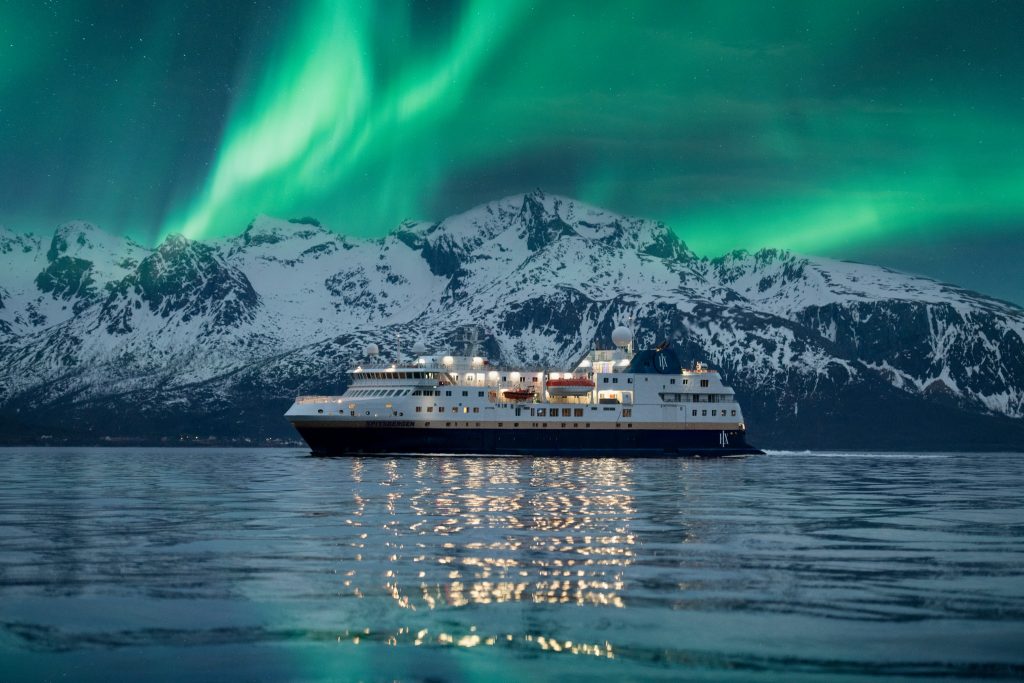
Expedition vessels are purpose-designed to operate where larger ships can’t. The very smallest tend to give the most personalised experiences when in the polar regions or most sensitive environments. Only 100 passengers are allowed off a ship at any one time in the Antarctic, so if you’re on a smaller ship, if something magical happens, you’re all able to get off at the same time.
Larger expedition ships (which can be converted from older cruise ships) have more facilities, more spacious lounges and sometimes multiple dining venues with outdoor viewing decks. Although it’s not always the case, larger can sometimes mean more affordable.
However you choose to cruise, modern expedition ships all feature reinforced hulls, the most modern navigation systems, high ice-class ratings – all of which allow safe operation in polar waters.
Responsible Travel
When you’re operating in fragile environments such as this, especially ones where they are completely untouched by humans, cruising doesn’t sound like an intuitive way to achieve it. However, they have to work within strict international regulations – like limiting the number of passengers, and many go further to include cleaner fuel and alternative propulsion technology, dynamic positioning systems to avoid seabed damage, plastic management and partnerships with conservation groups to minimise impact.
Partners We Work With
There are now so many opportunities to experience an expedition cruise at many different price points. What’s even better is we work with them all, anything from the more ‘mass market option’ up to the true ultra-luxury experiences:
Jane McDonald’s programme features the Scenic Eclipse, which sits at the ultra-luxury end of expedition cruising. It combines ice-class exploration, expert-led landings and Zodiac excursions with all-suite accommodation, butler service and the option of a submersible and helicopter experiences.
Although more like yachts, Ponant expedition cruising has a more contemporary luxury twist. Known for elegant ships, refined dining and ambitious itineraries, including LNG-powered polar vessels with strong environmental credentials.
HX is the expedition offshoot of Hurtigruten, the famous Norwegian coastal voyage. They have used their experience in Norway and have transitioned that to polar cruising focusing on science and sustainability.
Lindblad Expeditions (National Geographic) Strongly expedition-led, with a heavy emphasis on education, conservation and hands-on exploration. Particularly appealing to curious, engaged travellers.
Silversea Expeditions & Seabourn Expeditions are both well-known ultra-luxury ocean cruise brands that have translated their service standards into the expedition world, offering all-suite ships, fabulous dining and high comfort alongside genuine exploration.
Aurora Expeditions, I went on the Greg Mortimer last year and was impressed with their adventure-focus on such a small ship whilst maintaining a modern and responsible ethos. It’s comfortable and adventurous at the same time.
If you’re looking for something different and want a one-in-a-lifetime type of experience, an expedition cruise could be for you. Why not have a chat with us?