
If there was ever such a thing, easyJet would be our ‘home’ airline. It’s the airline we fly the most, and the airline we recommend when flying short haul, for its general punctuality, dependability and cheerful service – although many of you know that hasn’t always been the case.
Our ‘home’ airport, Luton, was easyJet’s first base, having started flying in November 1995 to Glasgow and Edinburgh, infamously for ‘as cheap as a pair of jeans’. Styled on Herb Kelleher’s Southwest Airlines in the United States, which didn’t have pre-reserved seating, had a simple onboard service and utilised a single aircraft type to keep costs as low as they could, easyJet became infamous for its cheeky style and bright orange branding. The concept was popular, and the airline quickly grew, including to nearby European cities like Amsterdam and Geneva, along with Nice and Barcelona, before the beach destinations of Malaga, Alicante and Faro. Other bases also appeared, including Liverpool (and yes, there was a Luton to Liverpool scheduled service with easyJet at one point), and another in Geneva.
At the same time, there were several competitors also springing up across the south east of England, but most notably at Stansted Airport. Stansted was the main London home for Ryanair, an airline that was nearly in bankruptcy in the 90’s, before phoenixing into a newly-styled ‘low cost airline’ led by the infamous Michael O’Leary. There was also Go, the offshoot of British Airways founded by American Barbara Cassani (who I still regard as the best female airline CEO), and Buzz, which was an offshoot of KLM (and formerly a UK regional airline called AirUK). Whilst Buzz was bought by Ryanair (and the Buzz name was brought back a couple of decades later), Go was initially sold to investment firm 3i, before being bought by easyJet – bringing further bases of Stansted, East Midlands and Bristol into the fold.
easyJet continued to grow and had started to gain a foothold at Gatwick Airport. Gatwick had a reasonable British Airways presence, but they were struggling to find a way for it to make money, and so retreated – something that easyJet took full advantage of. It was helped further by buying British Airways franchise partner GB Airways, which had a strong network across all the beach resorts in southern Europe and North Africa, along with purchasing slots from flyBe when they started retreating from their incarnation of the ‘low-cost model’ too.
The airline has since expanded all over Western Europe, with bases in Amsterdam, Paris, Milan, Geneva, Nice, Barcelona, Malaga and Berlin – again helped by purchasing assets from failed airline Air Berlin.
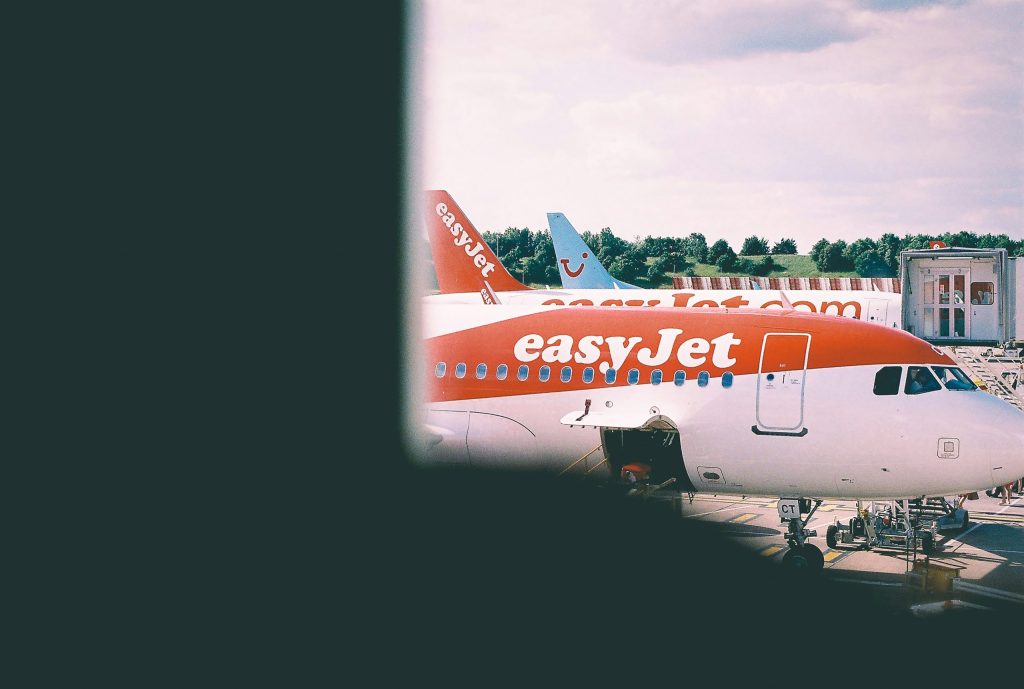
easyJet – Gatwick
This all sounds like a massive success story, and to an extent it is. easyJet is now the UK’s largest airline, the UK’s largest domestic airline, and is a well-respected and well-loved brand. However, it’s not a Ryanair – an airline that believes that low cost should be at any cost, and the way to achieve that is scale, and just keep growing at a pace. At over 600 aircraft, it’s now near enough double the size of easyJet as Europe’s largest airline, and now one of the largest airlines in the world. easyJet is the airline it is today, because of what happened nearly twenty years ago, before Carolyn McCall turned it around by improving it’s operation and making it a more ‘customer-friendly’ carrier. It had a poor reputation for on-time performance, cancellations and delays – and Stelios didn’t want it to grow in the same way that Ryanair was projecting. It left it a much smaller animal, and it’s essentially where we are today.
So, what has been on the lips of many is the attempts by many to try and purchase easyJet. Not because it’s failing, but because it hasn’t sparkled. First it was a few years ago, when Eastern European rival (and now the largest carrier at Luton), WizzAir trying an opportunistic move to acquire it just through the pandemic, and the rumour last year that the shipping company MSC (as of MSC Cruises and Explora Journeys) were interested in buying them too. Why – because their share price is lower than the assets combined.
The latest attempt, by US investment firm Castlelake is the most advanced to date. Although it’s taken five different bids, the easyJet board has said that its ‘minded to recommend the latest offer’ to shareholders, which values the airline at around £5.5bn. This is further than any of the other approaches have met, but it isn’t a done deal quite yet, and a full deal hasn’t been reached.
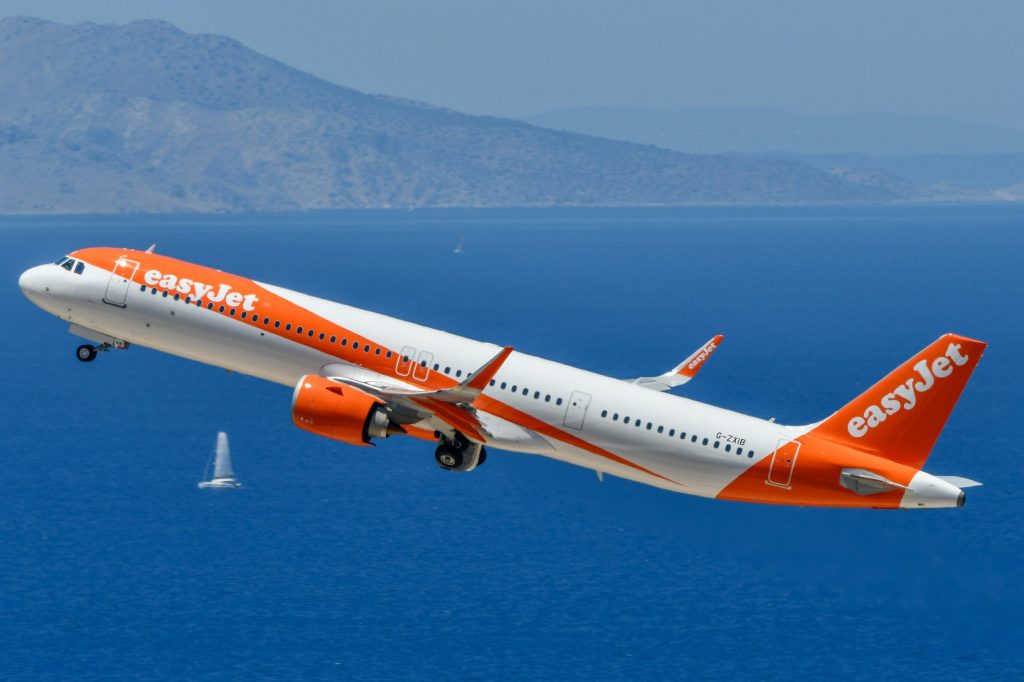
easyJet – next generation A321neo
There will, of course, be hurdles. Currently, Stelios owns around 15% of the company and is paid a royalty for using the ‘easy’ branding. He hasn’t yet commented on the deal, and is likely to be hugely influential to the shareholder vote, as although he isn’t involved in the day-to-day running of the airline, he is somewhat of a huge figure. There’s then the European ownership rules to contend with, being a US based investment firm – although they are said to have two Irish firms lined up, including former executive Peter Bellew (who wasn’t exactly well-liked during his tenure at easyJet).
That deal was then overtaken by rival US investment firm, Apollo, which also owns Trafalgar / Insight Vacations in the travel industry and has pedigree in this sector. It also wants to keep EasyJet the same as it is now, which certainly seems to have weight on the board.
Media speculation has been rife that easyJet could be broken up, as it’s low share price has meant it’s more lucrative in parts than as a whole. However, we do know from a Castlelake statement that they largely want to keep the airline intact and operational as it is at the moment. That means keeping the name, keeping its current business plan to get to £1bn profit, keeping it in the UK, and its inbound Airbus fleet, which will be more fuel efficient and reduce carbon emissions. It also backs the growth of easyJet Holidays, which has been a massive success over the last few years, and is now one of the largest tour operators in the UK.
Does this really matter, then, if everything is kept the same? Maybe, maybe not. It would certainly be unusual as a ‘private airline’ of this scale anywhere in the world, and we have to remember that Castlelake might not proceed. The next milestone is 3rd August, when they have to make a formal offer or walk away.