As part of the work we’re doing, as a founding member of the Responsible Travel Advisor Collective, there are a number of different areas that it would be beneficial for the industry to have a common stance on.
One of these is animal welfare. It was three years ago that parliament introduced the ‘Animals (Low-Welfare Activities Abroad) Act’, which was introduced because although many attractions which include animals which operate legally within their own countries, these may not conform to UK standards and make it illegal for businesses within this country to sell or advertise specific low-welfare animal activities abroad.
Within the Act, however, there’s no specific list of what are ‘banned attractions’, although it was originally conceived to cover elephant rides in Asia. It’s widened somewhat, rather than focusing on the species, to assess whether the activity compromises the animal’s welfare for the benefit of tourists, based on scientific evidence and animal welfare advice.
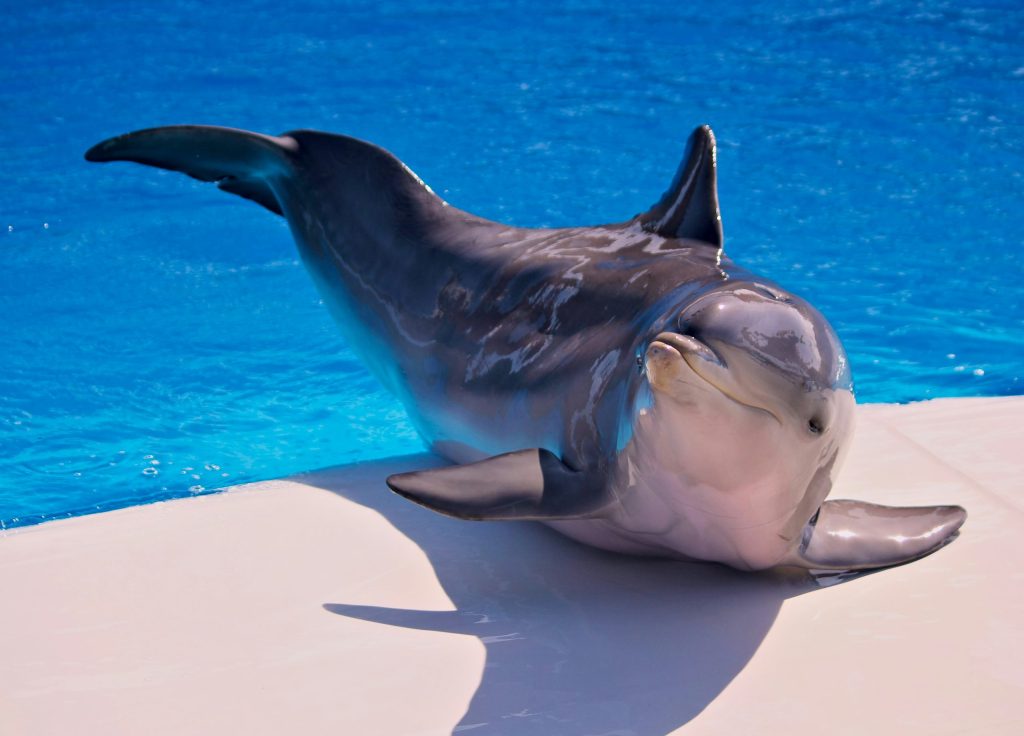
As an idea, some of these examples may include elephant riding, swimming with captive dolphins, taking selfies with captive wild animals, tiger petting, walking with lions, animal performances, and attractions where wild animals are handled for entertainment.
Whilst elephant rides have declined over the years, those places that previously offered them have adapted, and it can be a lot more difficult to understand how they can provide an ethical and authentic experience. Some of the elephant rides have been replaced with elephant bathing, feeding, walking with elephants and even photography sessions.
We often think that when visiting a ‘sanctuary’ that animals are well cared for. That’s not always the case, and it’s actually the case that a ‘sanctuary’ isn’t a protected or regulated label in many countries, so effectively anyone can say they run a sanctuary, rescue centre or rehabilitation project.
It can therefore be quite difficult to tell the difference between a real sanctuary and one which is just saying it is. Essentially though, a genuine one will make sure that the animals always come first – which includes observation from a reasonable distance, where animals are free to walk away, and feeding is limited to when it actually benefits them. They should have large, natural habitats (with areas away from public view), be able to rest without disturbance and have the freedom to behave normally.
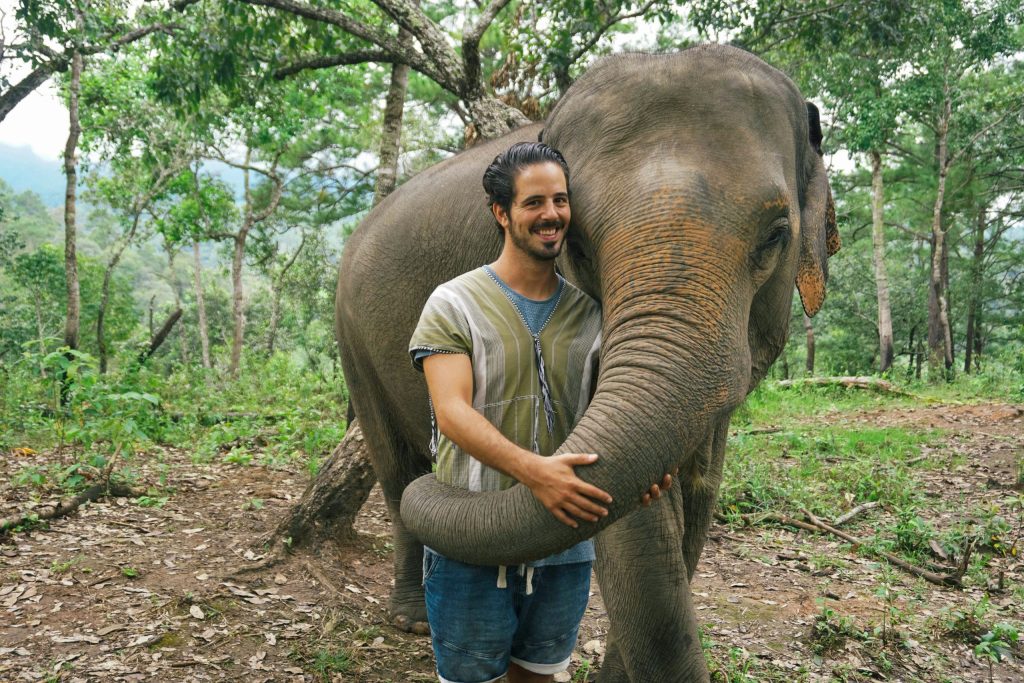
There can also be signs in the way visitors are managed. That might include small group sizes with timed entry, encouraging quiet behaviour, clear instructions about keeping your distance – along with not feeding them.
Whilst we are, and are continuing to try and make sure we only include ethical wildlife and animal experiences in the holidays we provide, we realise that when you’re away you don’t have our guidance as to what is and isn’t ethical.
As part of our work with the Responsible Travel Advisor Collective, we’re going to be working collaboratively with other travel agents around the UK to provide more in-depth information on this, so we can all support really good (and educational) wildlife experiences.