
This winter is expected to bring a historically strong El Niño event, and that’s going to have an impact to many of the places we enjoy travelling to, both later this year and all the way through to next summer. It’s also likely to mean that we’re going to have a wetter winter, and therefore the need to go away somewhere warm and sunny in the cold months of the year becomes ever more attractive!
El Niño isn’t climate change; it’s a natural process where the surface waters of the central and eastern Pacific Ocean become unusually warm. Normally, trade winds blow from east to west across the Pacific, pushing warm water towards Indonesia and Australia. During an El Niño year, the trade winds are not so strong, allowing the warm water to move back towards the South American coast, affecting the weather patterns not just in the Southern Hemisphere, but around the world.
It’s part of a larger cycle often referred to as ENSO ‘El Nino Southern Oscillation ’, which alternates between El Niño, La Niña and neutral. Essentially where the warm water is in the South Pacific.
This year is expected to be one of the strongest in living memory, with its effects possibly lasting over a year. However, it doesn’t mean that everywhere is just going to get warmer; the effects are far more specific depending on where you are.
We’re going to talk about a few of the places where, historically, an El Niño year has had a significant impact; however, with this year being so strong, it’s not entirely clear how much of an impact it will have.
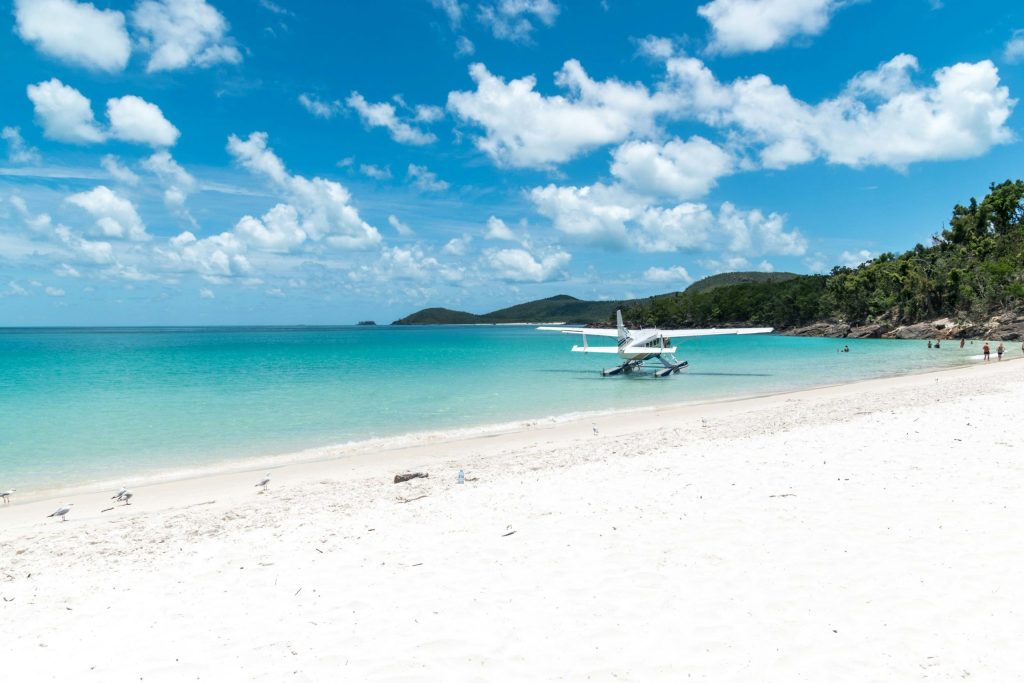
Hamilton Island, Australia
Australia
As the ‘classic’ destination for an El Niño event, Australia is the country to watch when it comes to impacts. With the trade winds easing, it means that Eastern Australia can be hotter and drier than normal, which has often come with the risk of bushfires and wildfires. The last ten driest winters in Australia have all occurred during an El Niño year. Early indications show that this winter (Australia’s summer) could be around 3C warmer than normal, with Australia’s weather bureau describing the event as likely to be strong to very strong.
The weather patterns are going to vary depending on where you are in the country, though. Sydney is one to watch, as that’s likely to have the greatest impact in the event of bushfires, especially as the country’s largest airport and a big entry point for many tourists.
Heading further up the coast, to the Gold Coast and Brisbane, it’s likely that the heat is more of a concern than the occasional storms which may appear. Going further up the coast to the Barrier Reef, the wet season is usually delayed in an El Niño year with a longer dry period. Like much of the Eastern coast, bushfires will still be a concern as well as coral bleaching.
There’s less of an impact, though, on Southern Australia, with Tasmania more influenced by the southern ocean, and Western Australia has experienced lower than usual rainfall already this year. However, these are all assumptions based on what’s happened historically.
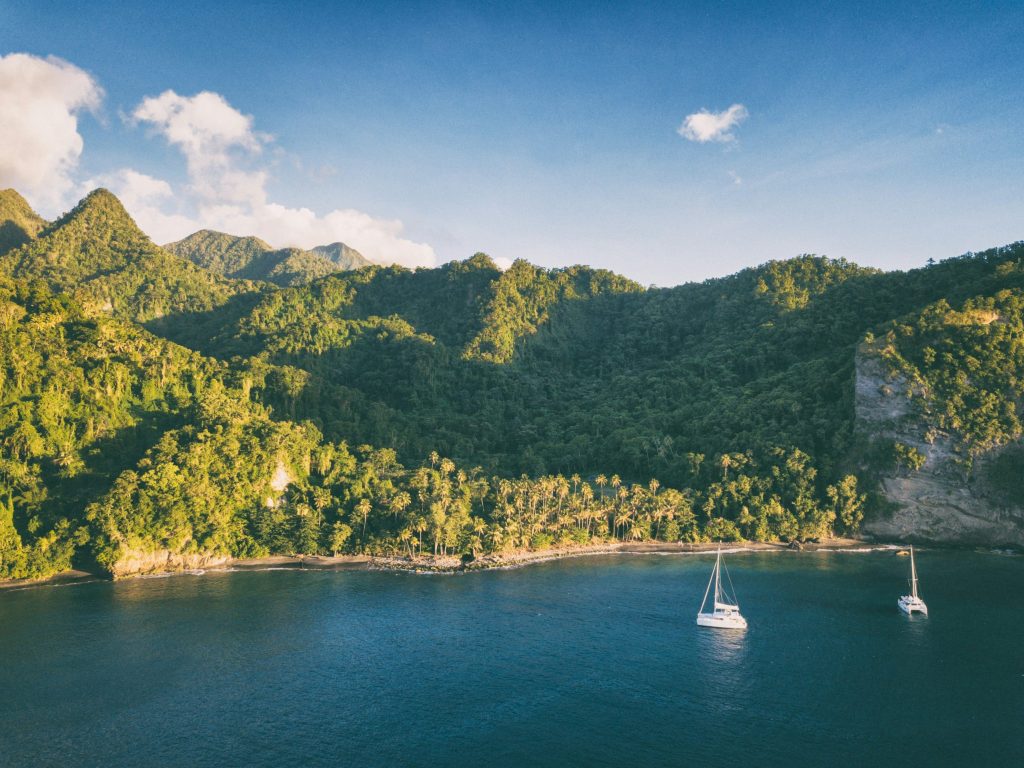
Caribbean
Caribbean
As another destination which is extremely popular in the winter, the Caribbean is technically seeing some of those impacts already in the form of fewer tropical storms or hurricanes. Typically in an El Niño year, the Caribbean would see substantially fewer tropical storms and around a 60% reduction in the number of hurricane days. In all strong El Niño years since 1950, there has been below-normal Atlantic hurricane activity. That’s not to say that there won’t be any hurricanes; however, it has been unusually quiet this year.
With a drier summer and autumn expected, it’s like that it will also turn into a drier winter season ask well, with the rainfall risk also reducing, but it will also be warmer at the same time. This may lead to a drought on some islands, although it will vary from island to island as to each specific impact.
However, overall, it’s likely the Caribbean is going to be drier and warmer than normal, especially at the latter end of this year. That’s great news if you’re looking for a pre-Christmas holiday, as it’s usually cheaper!
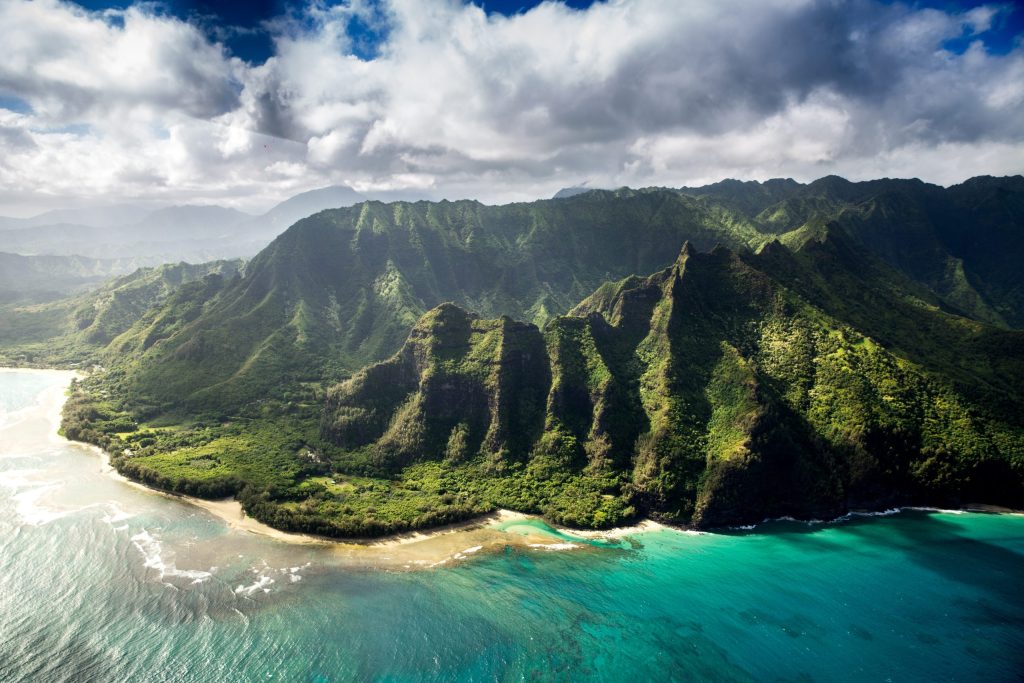
Hawaii
Although it’s not a destination which has been overly popular over the last few years, mainly due to the length of time it takes to get there, buy Hawaii is another bellwether for the impacts of an El Niño year.
Normally, El Niño shifts the Pacific jet stream eastwards and puts Hawaii into a high-pressure system. It suppresses rainfall, particularly during January and February, when the El Niño cycle has the biggest impact on Hawaiian weather. That’s going to make for more settled weather, and could bring more wildfire risk to Maui – which has only just started to recover from its devastating 2023 fires.
However, unlike the Caribbean, the risk of it being wetter than normal in the Autumn seems to be a whole lot higher. It actually makes hurricanes more likely this autumn! So, best to go this winter and stick to Honolulu.
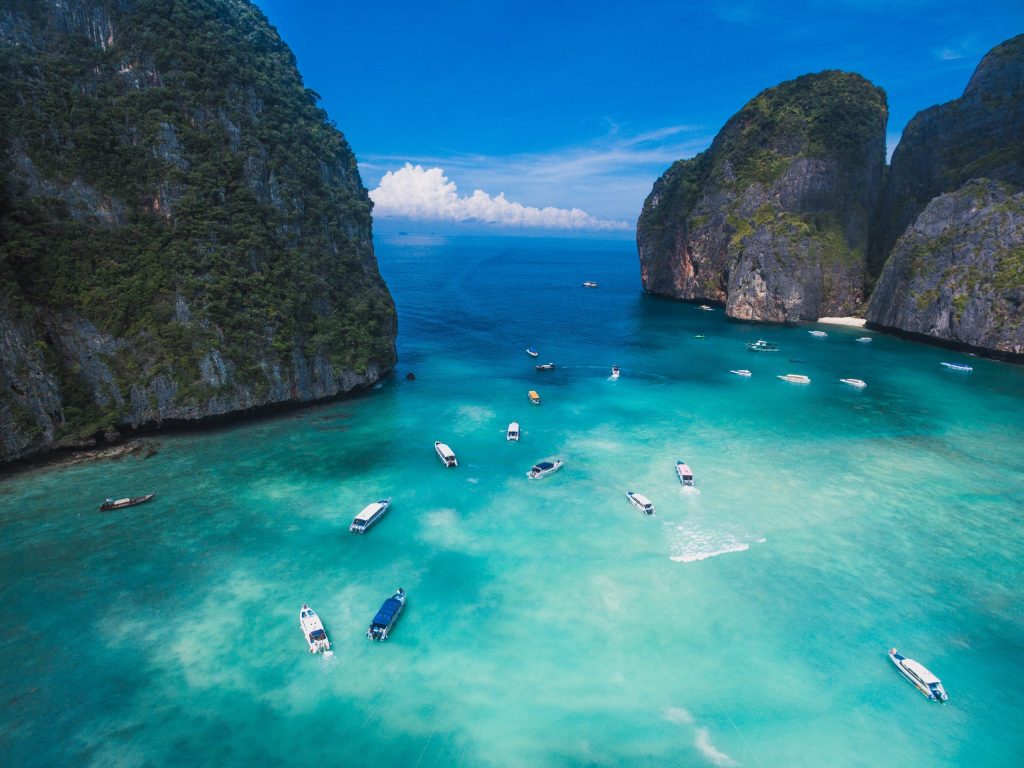
Thailand
Asia
Although there are some regional variations, El Niño will still have a significant impact on Asian countries. The general pattern is that it will be hotter and drier across most of Southeast Asia, with Thailand and much of Vietnam benefiting from a stronger Northeast Monsoon, and Singapore and Malaysia being much hotter and drier than normal.
In Thailand, the Northeast monsoon normally brings the country’s dry season from November through to March, and that’s great news if you’re looking to travel to Bangkok, Chiang Mai, Chiang Rai, Kanchanaburi, Phuket, Krabi and Koh Lanta as these will follow the El Niño trend of being drier. In the Gulf of Thailand, the climate is different and will continue to have rain, particularly in November and December.
An outlier in the region is Borneo, where its equatorial climate means rainfall is possible even during El Niño. That’s great for its rainforest, which could be put under stress if there’s a long dry season and could even lead to an increased fire and haze risk.
Vietnam is generally more complicated, and as always we would suggest splitting the country into thirds. Hanoi can be cool and grey in December and January; the central region around Hue and Da Nang has a different climate, with rainfall usually in October and November. A strong El Niño is likely to mean there’s less rain, but it’s yet to be proven. Southern Vietnam in winter is more like Thailand and Malaysia, so it could be warmer and drier than normal, but that may pose problems for water levels in the Mekong.
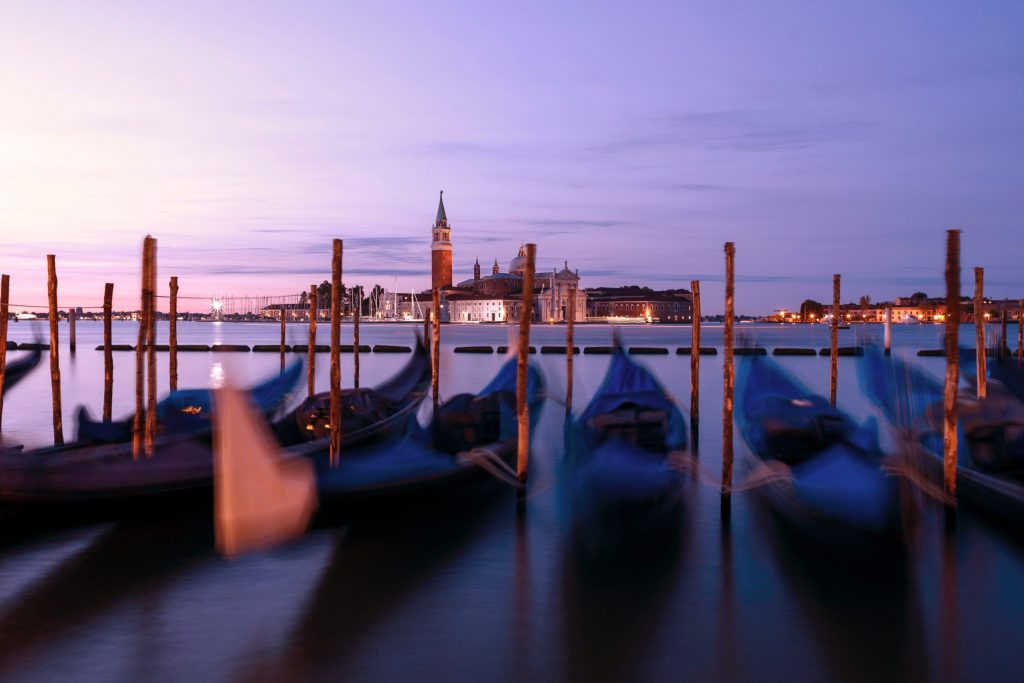
The Mediterranean
Closer to home, and the impacts are somewhat variable. For us in the UK, we’re likely to have more rain, along with Portugal and Southern Spain, and much of the Northern parts of the Mediterranean, including Tuscany and Croatia.
However, in winter, we don’t tend to travel to the Med too much as it’s generally not warm enough for a beach holiday.
The Canaries (and you can include Madeira), a massive favourite for us in the winter, aren’t likely to see that much of a difference, as the archipelago is influenced more by the Azores High, Northern Atlantic sea temperatures, the Sahara and the typical trade winds, rather than an El Niño event.
It might be the case that we see some slightly higher-than-normal temperatures across all the Canary Islands, but it could also mean there is more Calima. Calima is when sand from the Sahara is blown across the islands, bringing poor air quality and generally higher temperatures.
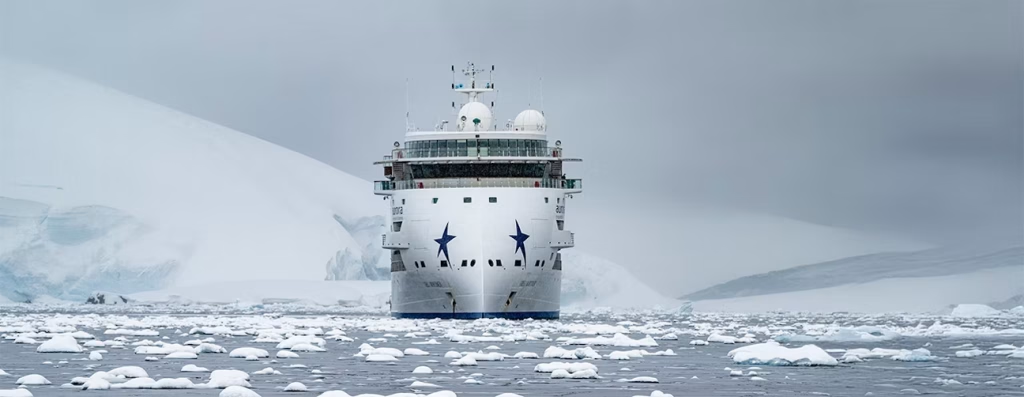
AE Expeditions
Polar Regions
We’ve been talking a lot about places being warmer and drier than they usually are. However, one place you don’t want to be warmer and drier in December is Lapland, for the special Santa trips. A strong El Niño could actually make this region cooler, and all depends on the polar vortex. There already seems to be some early indications that 2026/27 could be unusually dynamic with El Niño interacting with the polar vortex and Arctic sea conditions, but it’s too early to say this will make it a perfect Santa season.
Outside the winter season, a strong El Niño isn’t a simple forecast for somewhere like Svalbard because, like Lapland, the position of the polar vortex and where cold air is positioned is important. Interaction with the Atlantic jet stream will also play a part and will be important as Svalbard is already experiencing rapid warming and changes to its sea ice.
On the opposite side of the world, Antarctica can be influenced by a Pacific-South American atmospheric wave train, which changes winds, temperatures and sea ice patterns. For those who are looking to head to the Antarctic on an expedition cruise, it could mean there is actually more sea ice around the Antarctic Peninsula – which will impact elements of the trip, including landing opportunities, zodiac operations, wildlife distribution and access to certain bays and channels.
What’s the travel implication for popular destinations?
| Destination | Likely El Niño influence | Travel implication |
|---|---|---|
| Australia | Hotter and considerably drier, particularly eastern and northern Australia | Increased heat, bushfire and drought risk; generally less reliable for green landscapes |
| Indonesia & Bali | Drier and hotter | Potentially excellent beach weather, but higher heat, wildfire/smoke and water-stress risk |
| Malaysia | Generally drier | Potentially more settled conditions, although haze can become an issue |
| Thailand | Often hotter and drier | Potentially favourable for beach holidays, but extreme heat becomes more likely |
| Philippines | Often drier | Reduced rainfall in some areas, but tropical weather remains possible |
| Vietnam | Generally warmer/drier in parts of the country | Potentially favourable for touring, although regional variation is considerable |
| India | Greater risk of a weaker/drier monsoon | Important for summer travel; drought and heat can be more pronounced |
| Sri Lanka | Complicated regional picture | El Niño can alter the two monsoon seasons differently; timing and coast matter enormously |
| Maldives | Potentially warmer/drier | Could mean more settled beach weather, but heat and coral-bleaching concerns increase |
| Mauritius | Variable | Greater heat and changes to rainfall patterns; cyclone behaviour can also be affected |
| Seychelles | Variable | Less predictable rainfall; tropical showers remain possible |
| East Africa | Wetter in parts of Kenya/Tanzania during Oct–Dec | Potentially greener landscapes and heavier rainfall; safari conditions can vary considerably |
| Southern Africa | Tendency towards hotter/drier conditions | Namibia, Botswana and South Africa can become significantly hotter and drier |
| Egypt | Little direct rainfall impact | Heat is the bigger consideration; El Niño can contribute to broader regional warmth |
| Jordan | Little reliable direct signal | Primarily a temperature rather than rainfall consideration |
| South Africa’s Cape | Variable, with stronger seasonal effects | Winter rainfall patterns can be disrupted; summer tends towards warmth/dryness |
| Brazil | Very regional | Wetter southern Brazil but often drier northern/eastern areas, including parts of the Amazon |
| Argentina | Wetter in parts of central/southern South America | Potential disruption from heavy rainfall, but conditions vary considerably |
| Chile | Wetter central Chile in some El Niño seasons | More rain and potential flooding; Patagonia is less straightforward |
| Peru | Much wetter on the Pacific coast | Major consideration for Lima, northern Peru and Machu Picchu; flooding and landslides become more likely |
| Ecuador/Galápagos | Warmer and much wetter | Galápagos can become unusually warm and rainy, but marine life can change dramatically |
| Costa Rica | Often drier, particularly Pacific side | Potentially excellent conditions for touring/beaches; Caribbean side behaves differently |
| Panama | Often drier | Potentially favourable for travel, although heat increases |
| Mexico | Often warmer/drier in some areas | Generally favourable for many resorts, but regional variation is substantial |
| Caribbean | Generally drier in winter; Atlantic hurricanes suppressed by El Niño | Potentially favourable winter conditions, with a reduced hurricane risk once the El Niño signal dominates |
| Florida | Cooler/wetter than normal in winter | Less dependable beach weather than might otherwise be expected |
| California | Much wetter winter | One of the clearest travel impacts; heavy rain, flooding and landslides possible |
| US Southwest | Wetter | Arizona, Utah and Nevada may see more winter precipitation |
| Southern USA | Wetter and stormier | More rain and occasional severe weather; Gulf Coast often cooler |
| Northern USA/Canada | Generally warmer | Potentially milder winter conditions |
| Rockies | Snowfall pattern becomes complicated | Southern ski areas can benefit from increased precipitation; temperatures can make lower elevations marginal |
| Japan | Warmer than normal in winter | Potentially less reliable powder at lower elevations; Tokyo/Kyoto touring could be relatively mild |
| South Korea | Warmer winter tendency | Similar implications for winter sports; less dependable natural snow |
| China | Regional | Southern/eastern China can experience unusual rainfall and temperature patterns |
| New Zealand | More westerly weather | Wetter west coast, often drier east; good for some regions but less predictable elsewhere |
| Fiji & South Pacific | Complex | Rainfall and tropical cyclone patterns can change; not automatically “dry and sunny” |
| Hawaii | Warmer/drier tendency | Potentially good beach weather but increased drought/fire risk |
| Europe/Mediterranean | Much weaker and less reliable signal | Local weather patterns dominate; don’t use El Niño alone to predict a Mediterranean winter |
| UK | Wetter and stormier autumn/winter tendency | Potentially a wetter October–December, with implications for domestic travel |
So, with expected flooding and excessive rain at home, the winter of 2026/27 could be an ideal opportunity to fly somewhere warm.