Animal Welfare Policy
As a responsible travel agent, we understand the profound impact that our choices and actions can have on animal welfare. We are committed to promoting and supporting animal-friendly tourism practices, which prioritize the well-being and welfare of animals in all aspects of our operations.
This Animal Welfare Policy serves as our unwavering commitment to ensuring the highest standards of animal welfare throughout our travel experiences, with a specific focus on nutrition, environment, health, mental welfare, and behaviour of animals.
We are dedicated to continually improving our practices in animal welfare which includes actively engaging with our suppliers, industry experts, and stakeholders to stay updated on the latest research and advancements in animal welfare. We foster a culture of education, encouraging our staff, customers, and partners to make informed decisions that prioritize the well-being and welfare of animals.
ELEPHANT RIDES
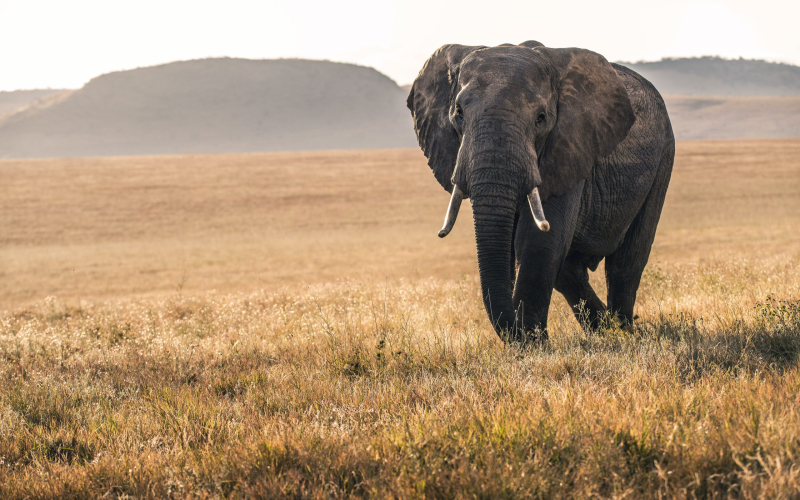
We firmly stand against the inclusion of elephant rides or any other activities that exploit elephants for entertainment or tourism purposes. Instead, we promote the observation of elephants in their natural habitats or in accredited sanctuaries that prioritise their welfare and conservation.
VIEWING ANIMALS IN THE WILD
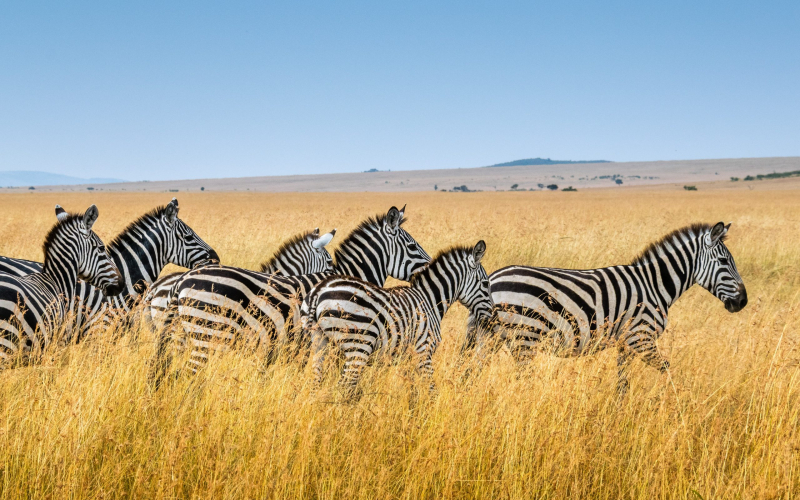
We encourage the viewing of animals in their natural habitats, supporting responsible wildlife tourism practices. This includes the promotion of wildlife tours and experiences that prioritise the conservation of natural habitats and ensure minimal disruption to animal behaviors and ecosystems.
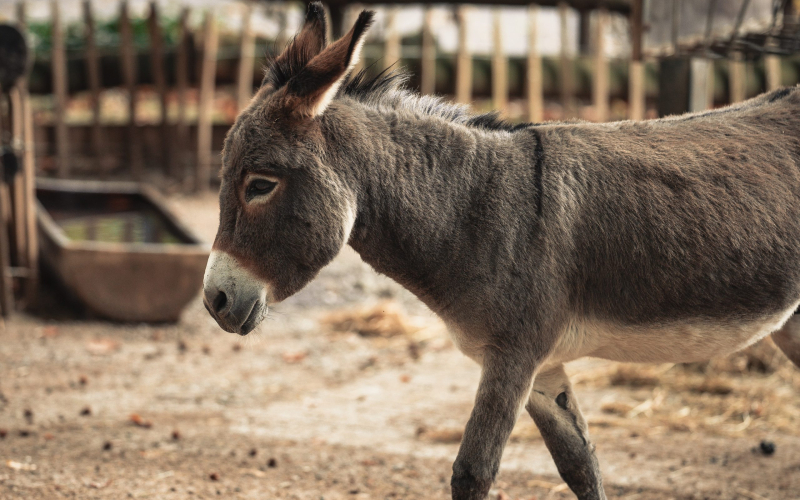
RIDING HORSES, DONKEYS AND CAMELS
We commit to avoiding activities (wherever possible) that involve riding horses, donkeys, or any other animals in circumstances that may cause them stress, pain, or harm. In circumstances where we do, we will always try and ensure the activity has been accredited.
Instead, promote responsible and ethical alternatives, such as walking tours or non-intrusive interactions with animals in their natural environments.
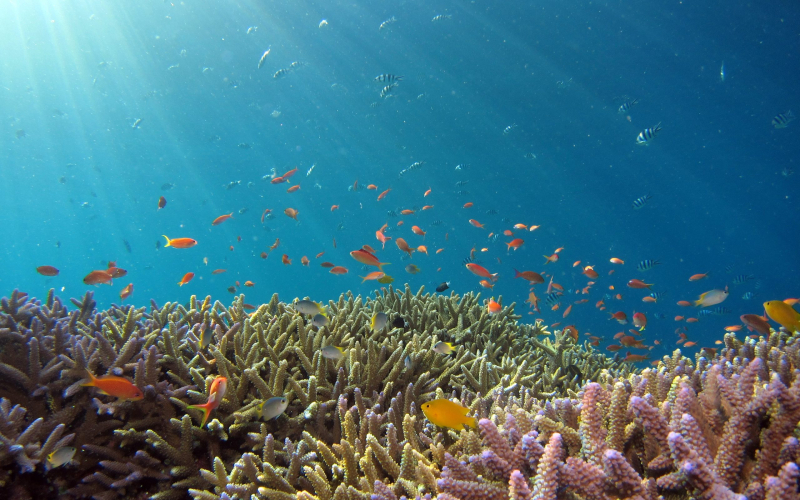
SUPPORTING MARINE LIFE
We recognize the vulnerability of marine life and the importance of their conservation. Therefore, we advocate for responsible and sustainable marine tourism practices, including snorkeling, diving, and boat tours that adhere to guidelines that protect marine ecosystems and minimize disturbance to marine animals.
We do not support or offer activities that involve captive marine animals unless they are part of recognized rescue and rehabilitation programs aimed at releasing them back into the wild.
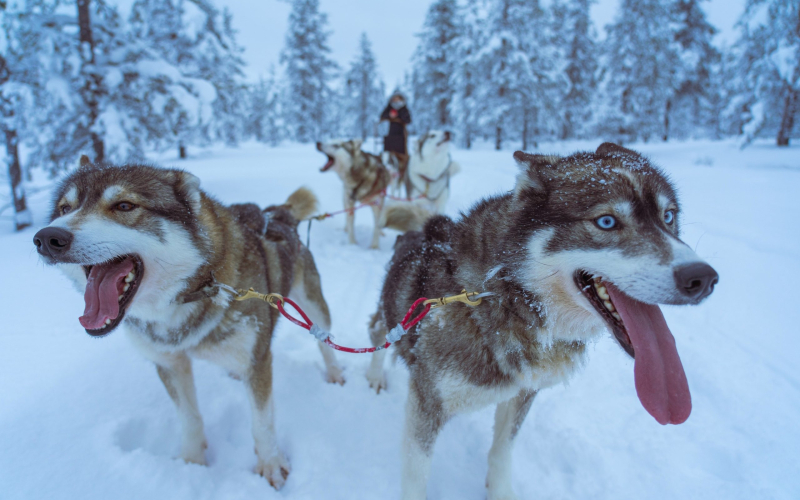
WORKING ANIMALS
We prioritize educating our customers about responsible and ethical interactions with working animals, including huskies and horses. We provide information on the cultural significance of working with huskies while emphasizing the importance of treating them with kindness, patience, and respect.
We encourage our customers to choose experiences that align with responsible animal welfare practices, supporting operators who prioritize the well-being of working animals.
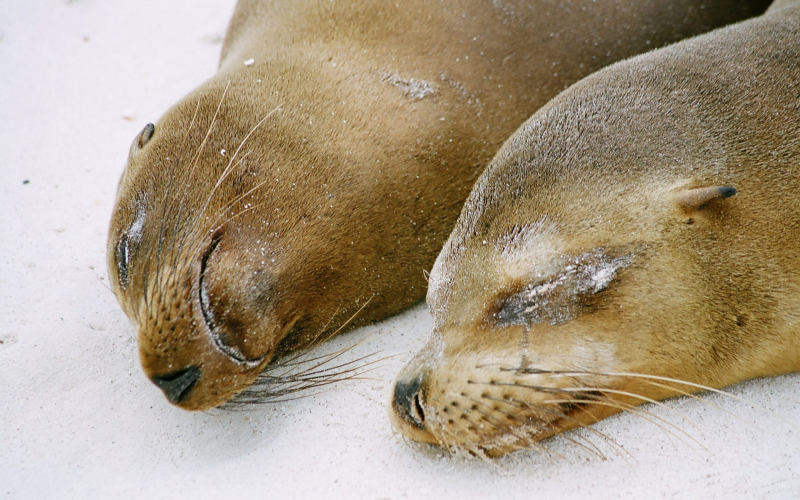
INTERACTING WITH ANIMALS
We promote activities such as wildlife observation, birdwatching, and guided nature walks that allow for non-intrusive encounters with animals in their natural habitats.
We discourage interactions that involve direct contact, such as feeding or touching wild animals, as they can disrupt their natural behaviors and pose risks to both humans and animals.
Animal Products
In many markets, we would advise against purchasing any wild animal product (or byproduct), especially if it’s believed to be from an endangered species, including:
Skins, including fur and reptile skins
Horns (Rhino)
Spiders and Butterflies
Tutle Shelles
Seashelles, coral and starfish
Ivory
Traditional medicines made from endangered animal parts and products
Trades such as this are generally illegal, but may not be enforced through relevant government agencies. It’s important not to purchase any of these, as doing so supports an illegal trade. The wild animals used to produce these products often suffer significantly, and suffering is likely to occur regardless of it the animal has been bred in captivity or wild, if the process is illegal or illegal.
ABTA’s Animal Welfare Commitment
We have signed ABTA’s Animal Welfare Commitment, a document which both aligns with minimum standards and outlines unacceptable practices, which in partnership with other members, we aim to eradicate.
These include:
1. Unacceptable practices involving animals in captive attractions:
• Animal breeding or commercial trade in sanctuaries and orphanages
• Any tourist holding of, or photo opportunity with, wild animals where the animal does not have the
choice of terminating the interaction or moving away
• Performances or tourist interactions involving wild animals where training involves punishment or food
deprivation, causes the animal fear, injury or distress, or the tasks are not based on normal behaviour
• Tourist contact or feeding elephants without a barrier (we however will wherever possible will not have tourist contact with or without a barrier, and advocate that animals should only be oberseved from a safe distance).
• Elephant shows or performances for tourists
• Tourist contact, feeding of and “walking with” wild cats
• Tourist contact or feeding of crocodiles or alligators
• Tourist contact or feeding of great apes (chimpanzees, orangutans, gorillas, bonobos)
• Tourist contact or feeding of bears
• Tourist contact or feeding of sloths
• The feeding of animals with live vertebrate prey
• Canned hunting
• Ostrich riding (observing or participating)
• Unlicensed zoos
• Euthanasia, unless carried out by a trained professional because welfare needs cannot be met, or because
the animal cannot be released into the wild
• Acquisition of any CITES Appendix I, II or III listed species except for conservation or rescue/rehabilitation
purposes.
• The manual for cetaceans (aquatic mammals, such as whales, dolphins, porpoises) is still under review,
but tourist contact or feeding of orca, and unsupervised tourist feeding of cetaceans are unacceptable. We however, won’t sell any show or experience including captive cetaceans.
2. Animals in cultural events and activities
• Animals used for begging (for example, dancing bears, snake charming, primates)
• Bear pits
• Tiger farms
• Any animal fighting, whether against humans or other animals
• Bull running
• Rodeo events that include calf-roping, teamroping, steer wrestling, bareback horse/bull riding
using flank straps, wild-cow milking, wild horse racing or horse/steer-tripping
• Ritual animal slaughter as part of the tourism experience.
3. Unacceptable practices involving free-roaming wild animals
• Unregulated animal and plant collection from the wild
• Human-initiated contact with and feeding of animals in the wild
• Trade and sale of endangered wildlife products
• Trophy hunting.